
Pet-friendly plants for homes with curious noses
No plant is completely indestructible around a curious pet, but choosing a non-toxic variety gives everyone more room to coexist. Then placement and routine do the rest.
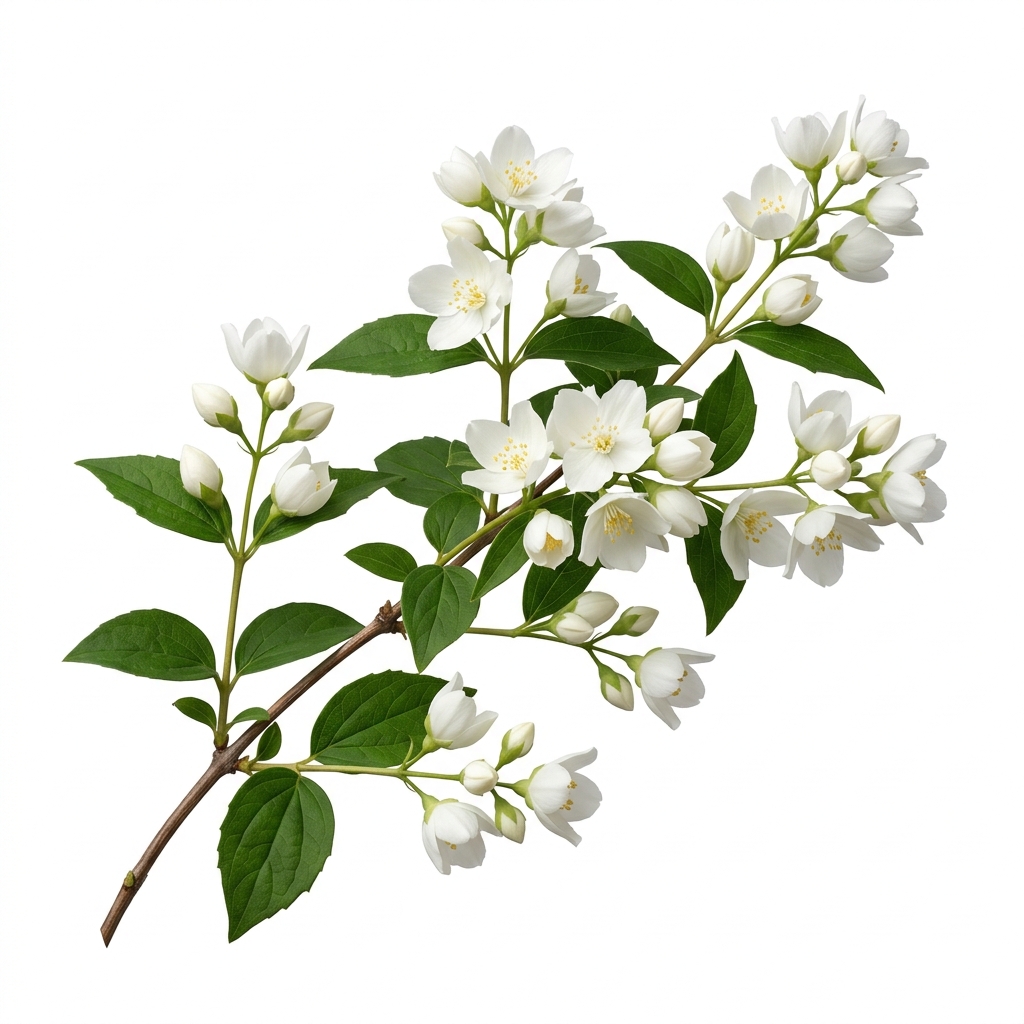
Good starts
Parlour palm, calathea, Boston fern
Still important
Placement & supervision
For certainty
Check with your vet
Three useful things to remember.
- Choose recognised non-toxic varieties for the rooms your pet uses most.
- Use stable, heavy planters instead of tall stands that invite trouble.
- Keep new plants under observation before making them part of a pet's routine.
Make the first shortlist
Parlour palms, calatheas, Boston ferns, and some orchids are common starting points for pet homes. Individual sensitivities vary, so a quick conversation with your vet is still the best final check.
Plan for the pot too
Choose a planter that will not tip when brushed past. Cover loose soil with larger natural stones if digging is a habit, and skip decorative moss or fertiliser pellets within reach.
Give the pet a better option
A small patch of pet grass or an engaging toy near a sunny window can redirect curiosity away from your favourite new leaf.